By PluzGroup | Industrial Equipment Experts
If you’ve ever dealt with a bolt failure on a critical piece of machinery, you already know the consequences — costly downtime, safety risks, and expensive repairs. The right hydraulic torque wrench eliminates that risk by delivering precise, consistent torque every single time. But with so many types, sizes, and specifications on the market, how do you know which one is right for your operation?
This guide walks you through everything you need to know — from understanding the basic types to matching the right wrench to your specific industry needs.
What Is a Hydraulic Torque Wrench and Why Does It Matter?
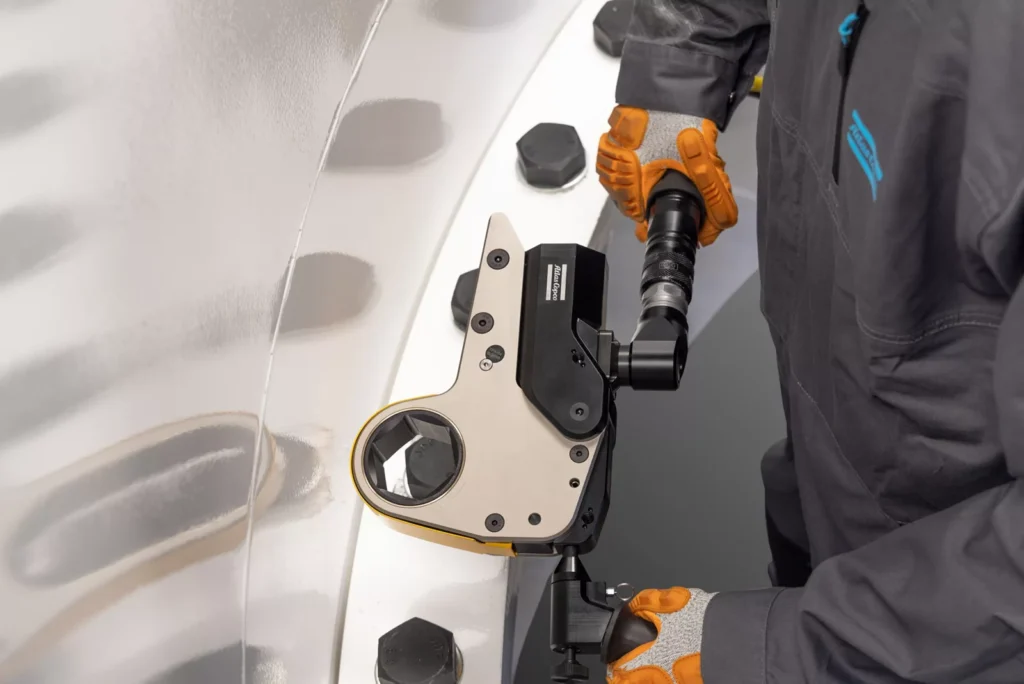
A hydraulic torque wrench is a power tool that uses hydraulic pressure to apply a precise amount of rotational force (torque) to a fastener — typically a bolt or nut. Unlike manual or pneumatic wrenches, hydraulic torque wrenches are engineered for high-torque applications where accuracy is non-negotiable.
They are widely used in industries such as oil and gas, power generation, construction, mining, wind energy, and heavy manufacturing — anywhere that large bolts need to be tightened to exact specifications.
The key advantages over manual or pneumatic alternatives include:
- Precision: Hydraulic wrenches deliver torque accuracy within ±3%, far better than manual methods.
- Safety: No sudden jerks or reaction forces, reducing operator injury risk.
- Repeatability: Every bolt gets exactly the same torque value, ensuring uniform joint integrity.
- Power: They can generate torque outputs from as low as 100 Nm to over 100,000 Nm.
The wrong wrench, however, can cause under-torquing (leading to loose joints) or over-torquing (leading to bolt stretch or failure). Getting the choice right isn’t just a technical decision — it’s a safety and financial one.
Step 1: Understand the Two Main Types
Before anything else, you need to understand the two primary types of hydraulic torque wrenches. Each has its own design, advantages, and ideal use cases.
1. Square Drive Hydraulic Torque Wrench
This type uses a square drive to attach standard impact sockets, much like a conventional wrench. It is the more versatile of the two types because sockets can be easily changed to fit different bolt sizes.
Best for:
- General maintenance and repair work
- Applications where bolt sizes vary frequently
- Tighter budgets (more affordable than cassette types)
- Environments where multiple bolt sizes need to be handled with one tool
Common torque range: 100 Nm to 34,000 Nm
2. Low-Profile (Cassette) Hydraulic Torque Wrench
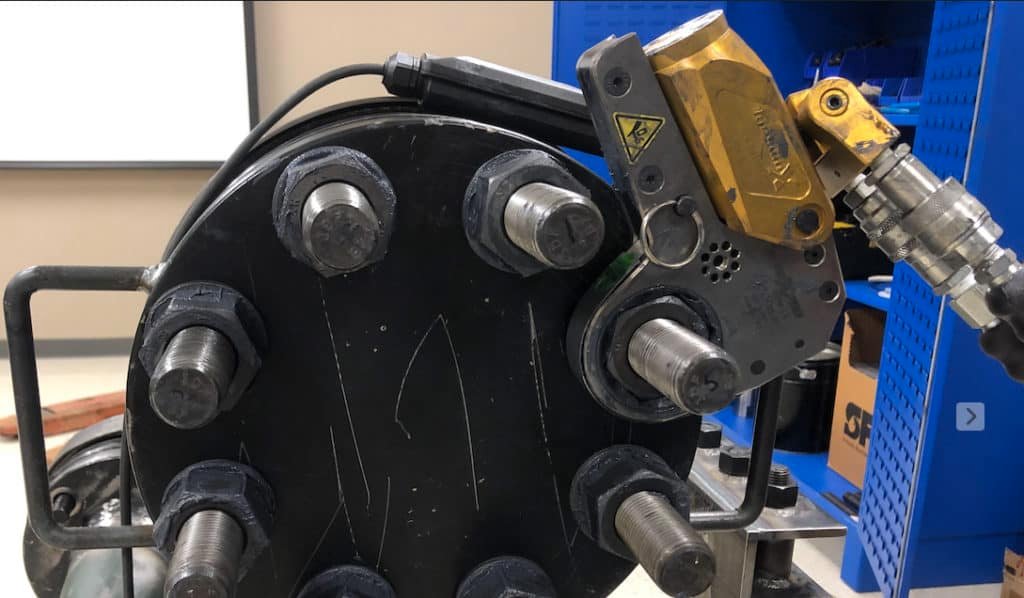
Also called a “slim-line” or “cassette” wrench, this type is designed specifically for confined spaces where a standard wrench simply won’t fit. The cassette (or hex link) wraps around the nut directly, making it ideal for tight corners and restricted access areas.
Best for:
- Flange bolting in tight spaces
- Pipe connections in crowded equipment areas
- Applications where clearance is less than a few centimeters
- Wind turbine hub bolting, subsea equipment
Common torque range: 300 Nm to 75,000 Nm
Quick Rule of Thumb: If you have enough clearance, go with a square drive for versatility. If space is tight, invest in a low-profile cassette wrench.
Step 2: Calculate Your Required Torque Range
This is the most critical technical step. Every bolting application has a specified torque requirement defined by the bolt size, bolt grade, joint material, and engineering standards.
Here’s how to approach it:
Check the engineering spec first. Your equipment’s maintenance manual or engineering drawing will specify the required torque value in Nm (Newton-meters) or ft-lbs (foot-pounds).
Choose a wrench that operates in the mid-range. A common mistake is selecting a wrench that maxes out at your required torque. Instead, choose a wrench where your required torque sits between 20% and 80% of the tool’s maximum capacity. This ensures optimal accuracy and tool longevity.
Convert your units if needed:
- 1 ft-lb = 1.356 Nm
- 1 Nm = 0.737 ft-lb
For example, if your bolting specification calls for 5,000 Nm, you should be looking at a wrench with a maximum capacity of around 7,000–8,000 Nm. Running a tool constantly at its maximum output causes premature wear and reduces accuracy.
Step 3: Consider the Bolt Size and Type
The physical size of the bolt or nut you’re working with directly influences the wrench you need. Hydraulic torque wrenches are rated for specific hex (flat-to-flat) sizes, and you need to confirm compatibility before purchasing.
Key factors to check:
- Hex size (AF size): The flat-to-flat measurement of the nut. Always confirm the hex size of the fasteners in your application.
- Bolt grade: Higher-grade bolts (like Grade 8.8, 10.9, or 12.9) require more precise torque application. Hydraulic wrenches are ideal for these.
- Thread type: Metric (M) vs UNC/UNF imperial — affects torque calculation.
- Bolt material: Stainless steel, alloy steel, or high-strength bolts each have different torque requirements.
If your operation involves a range of bolt sizes, consider investing in a square drive wrench with interchangeable socket sets rather than multiple fixed-size tools.
Step 4: Match the Wrench to Your Industry
Different industries have different demands. Here’s a breakdown of the most common sectors and what to prioritize in each:
Oil & Gas
This is one of the most demanding environments for torque tools. Bolts on flanges, wellheads, pipelines, and pressure vessels must be torqued to precise values — and in many cases, these joints are safety-critical.
What to look for:
- ATEX-certified or explosion-proof hydraulic pumps (essential for hazardous zones)
- High torque output (often 10,000 Nm and above)
- Low-profile cassette wrenches for confined flange work
- Stainless steel or corrosion-resistant construction for offshore environments
- Traceability and calibration certificates for compliance
Power Generation & Utilities
Nuclear, thermal, and wind power plants involve massive bolted connections on turbines, generators, and piping systems. Uniformity of bolt loading across flange connections is critical to prevent leaks or vibration.
What to look for:
- High accuracy (±3% or better)
- Multiple simultaneous bolting capability (for hydraulic bolt tensioners or multi-bolt systems)
- Data recording capability (digital or electronic torque wrenches for audit trails)
- Resistance to heat and moisture
Construction & Civil Engineering
From bridge bolting to structural steel erection, construction applications typically involve large-diameter bolts on structural connections where speed and consistency are important.
What to look for:
- Portability and lightweight design
- Square drive wrenches for flexibility across different bolt sizes
- Compatibility with standard construction bolt grades (Grade 8.8 and 10.9)
- Robust, site-tough build quality
Mining & Heavy Equipment
Mining environments are brutal — dust, vibration, extreme loads, and remote locations. Equipment downtime in mining is incredibly expensive, so tools need to be reliable and long-lasting.
What to look for:
- Heavy-duty construction with IP-rated dust and water resistance
- High torque capacity for large mining equipment bolts
- Easy maintenance and availability of spare parts
- Compact designs for use in tight machinery spaces underground
Wind Energy
Wind turbines have very specific bolting requirements — particularly in the hub, tower flanges, and foundation bolts. These joints must be re-torqued periodically as part of maintenance cycles.
What to look for:
- Low-profile cassette wrenches for hub and nacelle bolt access
- Lightweight design (technicians climb towers with this equipment)
- High torque output for large foundation anchor bolts
- Digital torque monitoring for compliance documentation
Step 5: Evaluate the Hydraulic Pump and System
Your hydraulic torque wrench is only as good as the pump powering it. The pump controls the hydraulic pressure delivered to the wrench, and this directly determines the torque output.
Types of pumps:
- Electric hydraulic pumps: The most common. Clean, quiet, and precise. Ideal for most industrial environments.
- Air/pneumatic hydraulic pumps: Suitable for sites with compressed air supply. Good for outdoor or site use.
- Battery-powered pumps: Increasingly popular for remote locations or confined spaces without power access.
Key pump specifications to check:
- Maximum working pressure: Should match or exceed your wrench’s rated pressure (typically 700 bar / 10,000 PSI for most hydraulic torque wrenches).
- Flow rate: Higher flow = faster cycle times. Important for high-volume bolting jobs.
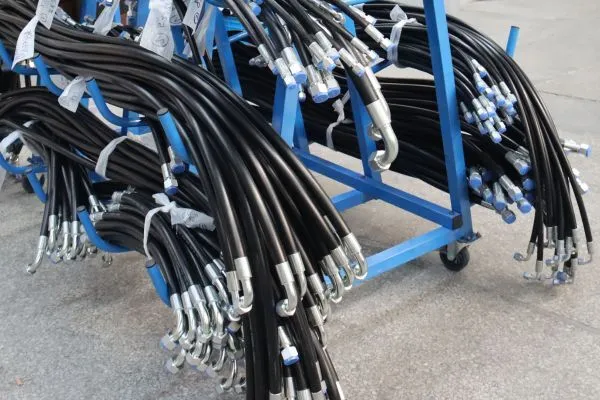
- Hose length: Standard hoses are 1.5m to 3m. Longer hoses reduce pressure slightly — factor this in for large installations.
- Pressure relief valve: Must be set accurately — this is what sets the actual torque output.
Always purchase your wrench and pump as a matched set, or confirm compatibility before buying separately.
Step 6: Think About Accuracy, Calibration & Compliance
For regulated industries, torque accuracy is not just a technical preference — it’s a legal and safety requirement.
What to check:
- Accuracy rating: Look for ±3% accuracy or better. Some premium wrenches achieve ±2%.
- Calibration certificate: A reputable supplier will provide a calibration certificate traceable to national standards (ISO 6789).
- Re-calibration interval: Hydraulic torque wrenches should typically be re-calibrated every 12 months or after a defined number of cycles.
- Documentation: For industries like oil & gas, nuclear, or aerospace, you may need full documentation of torque values applied — consider digital or electronic torque wrenches with data logging.
Step 7: Don’t Overlook Ergonomics and Operator Safety
A hydraulic torque wrench is safer than manual methods by design — but there are still ergonomic and safety factors to consider, especially for operators using these tools daily.
Reaction arm design: Hydraulic torque wrenches require a reaction arm to absorb the torque reaction. A poorly designed or incorrectly positioned reaction arm can cause injury. Make sure the reaction arm can be positioned safely given your specific application geometry.
Weight: Larger, high-torque wrenches can be very heavy. Consider whether lifting aids or torque arm support systems are needed for frequent use.
Noise levels: Hydraulic systems are generally quieter than pneumatic tools, but pumps can still be noisy. Check the dB rating if working in noise-restricted environments.
Training: Ensure operators are trained in correct wrench setup, reaction arm positioning, and pump pressure setting. Even the best wrench is dangerous in untrained hands.
Step 8: Consider Total Cost of Ownership, Not Just Purchase Price
The cheapest hydraulic torque wrench is rarely the most economical choice over time. When evaluating options, consider:
- Spare parts availability: Can you easily get seals, O-rings, and replacement components locally or from your supplier?
- Warranty: A quality wrench should come with at least a 12-month warranty.
- After-sales support: Does the supplier offer technical support, calibration services, and repairs?
- Durability: A well-made wrench from a reputable supplier will outlast a cheap alternative many times over, especially in harsh industrial environments.
- Downtime cost: In a production environment, the cost of a tool failure far exceeds the cost of investing in a better quality tool upfront.
Quick Reference: Hydraulic Torque Wrench Selection Checklist
Before making your final decision, run through this checklist:
| Criteria | What to Confirm |
|---|---|
| Torque requirement | Check engineering specs (Nm or ft-lb) |
| Wrench type | Square drive or low-profile cassette? |
| Torque range | Required torque = 20–80% of max capacity |
| Bolt/hex size | Confirm flat-to-flat measurement |
| Industry environment | Hazardous zone? Corrosive? Remote? |
| Pump type | Electric, pneumatic, or battery? |
| Accuracy | ±3% minimum; calibration certificate included? |
| Compliance | ATEX, ISO, or other certifications needed? |
| Ergonomics | Weight, reaction arm, and operator training |
| Total cost | Spare parts, warranty, and support availability |
Final Thoughts
Choosing the right hydraulic torque wrench isn’t complicated once you break it down into clear steps. Start with your torque requirements, understand your environment, match the tool type to your application, and don’t compromise on quality and calibration.
Whether you’re bolting flanges on an offshore platform, assembling structural steel on a construction site, or maintaining heavy mining equipment underground, there is a hydraulic torque wrench designed specifically for your needs.
At PluzGroup, we supply a full range of hydraulic torque wrenches and industrial bolting equipment built for the most demanding environments. Our team of specialists can help you identify the right tool for your specific application — ensuring safety, compliance, and performance on every job.
Have a bolting challenge? Contact PluzGroup today and let our experts find the right solution for you.