When working in industries like oil & gas, construction, or heavy engineering, selecting the right hydraulic torque wrench is critical for safety, accuracy, and efficiency.
But many buyers struggle with:
- Which type to choose?
- What torque capacity is needed?
- Should you buy or rent?
This guide will help you choose the best hydraulic torque wrench step-by-step, even if you’re a beginner.
What is a Hydraulic Torque Wrench?
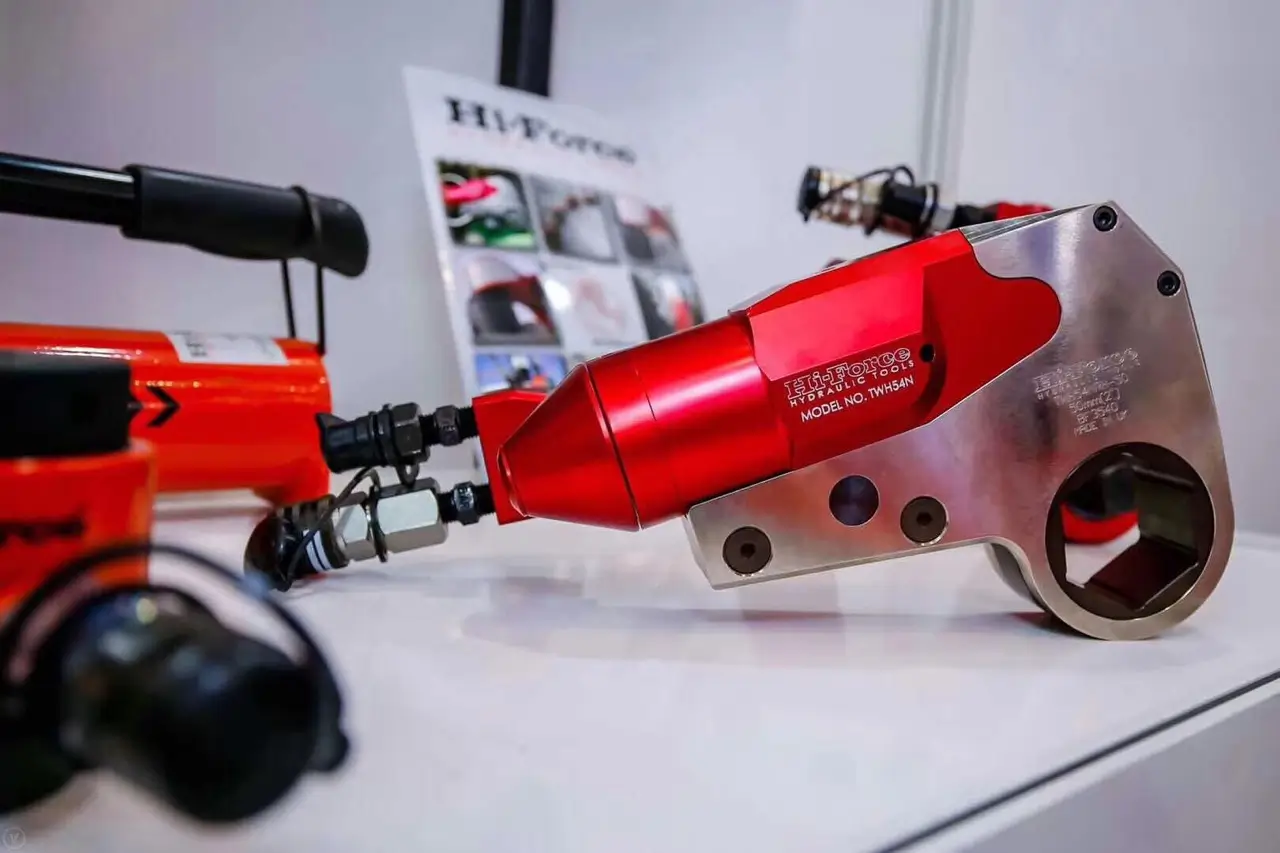
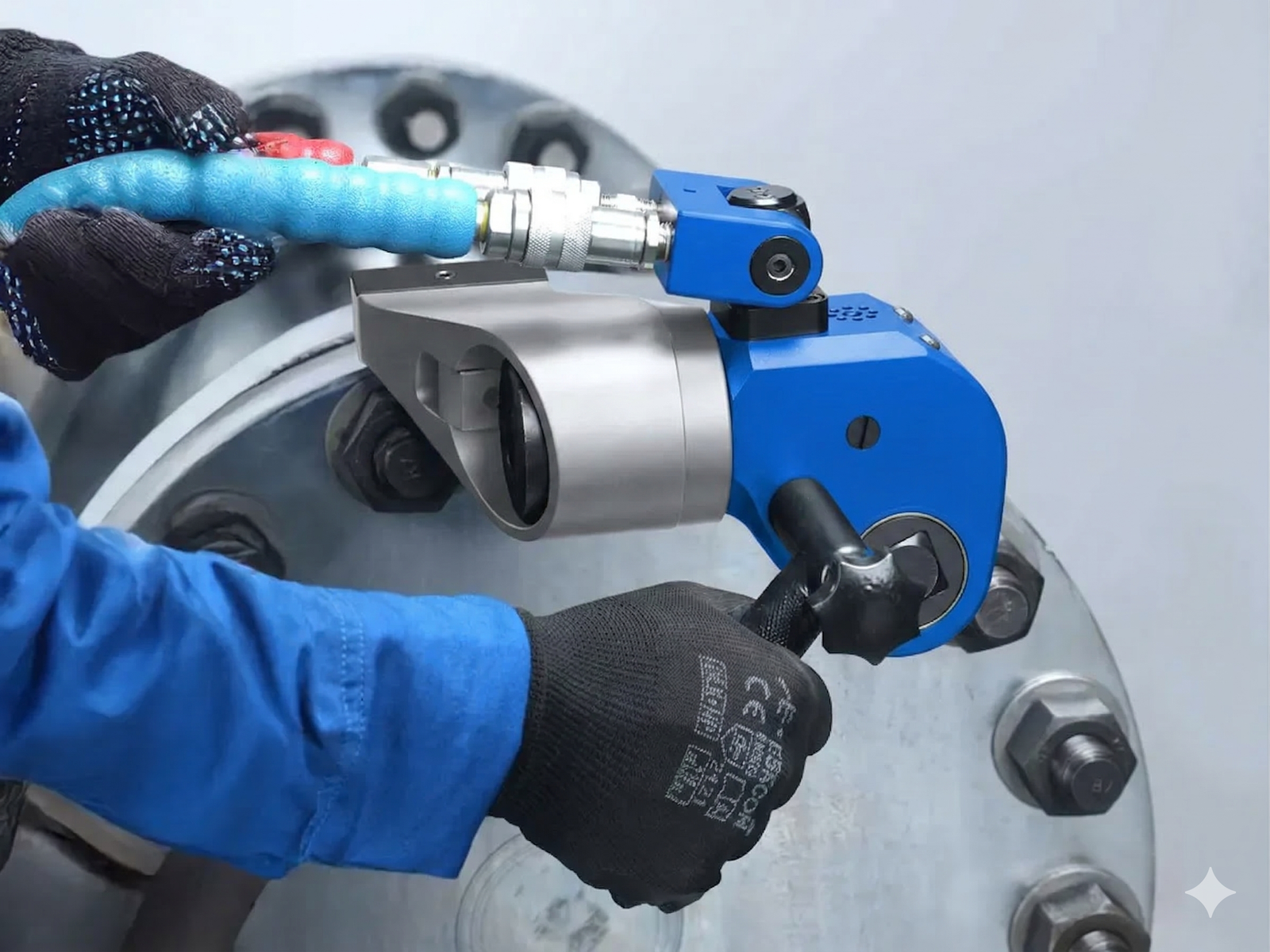
A hydraulic torque wrench is a precision tool that applies controlled torque to bolts and nuts using hydraulic pressure.
It is widely used in:
- Oil & Gas
- Wind Energy
- Power Plants
- Heavy Machinery
Step-by-Step Guide to Choosing the Right Hydraulic Torque Wrench
Step 1: Know Your Torque Requirement
Before choosing a wrench, you must know:
Required torque range (Nm or ft-lbs)
Example:
- Light work: 100 – 1,000 Nm
- Medium: 1,000 – 5,000 Nm
- Heavy industrial: 5,000+ Nm
Pro Tip:
Always choose a wrench where your required torque falls within 20%–80% of its capacity for best accuracy.
Step 2: Choose the Right Type
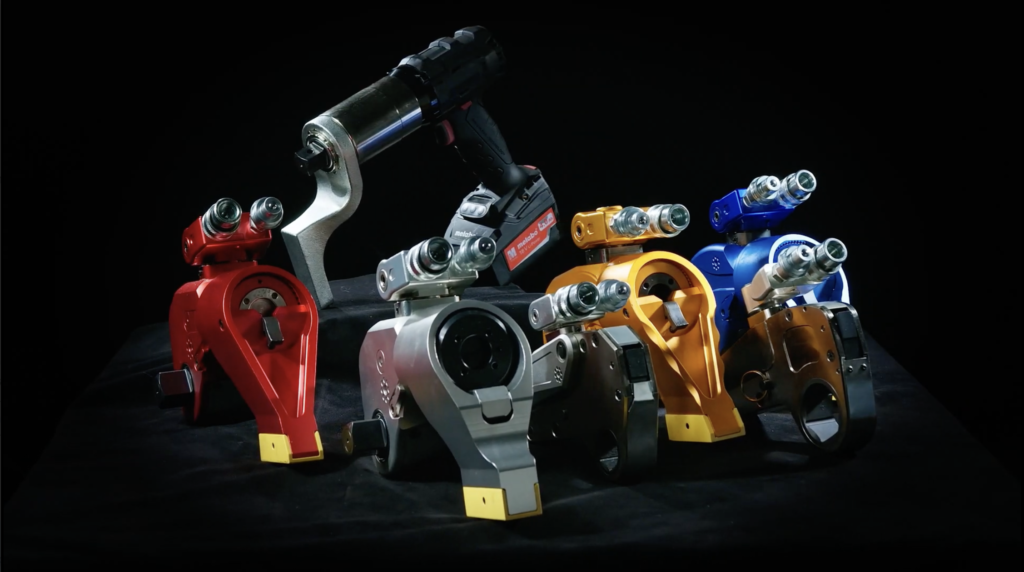
There are mainly 2 types of hydraulic torque wrenches:
Square Drive Torque Wrench
- Best for general use
- Uses standard sockets
- Flexible for different bolt sizes
Best for: Maintenance & workshop use
Cassette (Low Profile) Torque Wrench
- Compact and slim design
- Perfect for tight spaces
Best for: Oil & gas, flange tightening
Step 3: Check Bolt Size & Accessibility
Ask yourself:
- Is the bolt in a tight space?
- What is the bolt size?
Tight space → choose low profile (cassette)
Open space → choose square drive
Step 4: Consider Accuracy & Safety
Look for:
- ±3% accuracy
- Anti-slip design
- Reaction arm safety
This is critical for industrial compliance and safety standards
Step 5: Power Source Compatibility
Hydraulic torque wrenches require a hydraulic pump.
Check:
- Pump compatibility
- Pressure rating (usually 700 bar / 10,000 psi)
Step 6: Decide – Buy or Rent?
Buy if:
- You use it regularly
- Long-term projects
Rent if:
- Short-term project
- Budget constraints
Step 7: Choose a Trusted Supplier
Always buy from a reliable supplier to ensure:
- Genuine products
- After-sales support
- Calibration services
This ensures long-term performance and safety.
Quick Comparison Table
| Feature | Square Drive | Cassette |
| Flexibility | High | Medium |
| Tight Spaces | No | Yes |
| Ease of Use | Easy | Moderate |
| Best For | General Use | Industrial Bolting |
Common Mistakes to Avoid
Choosing the wrong torque range
Ignoring space constraints
Buying without checking compatibility
Not considering calibration
Best Hydraulic Torque Wrench for Your Needs
Choosing the right tool depends on:
- Your industry
- Bolt size
- Working environment
There is no one-size-fits-all solution
Conclusion
Selecting the right hydraulic torque wrench doesn’t have to be complicated.
Just follow these steps:
Know your torque
Choose the right type
Check application
Buy from a trusted supplier
This ensures better performance, safety, and cost-efficiency
Choose Precision. Choose Performance.
Frequently Asked Questions (FAQs)
A hydraulic torque wrench is used to apply precise torque to tighten or loosen bolts in heavy industrial applications like oil & gas, construction, and power plants.
Choose based on torque capacity, bolt size, working space, and application. Also, decide between square-drive and cassette types based on accessibility.
Square-drive wrenches are versatile and use sockets, while cassette (low-profile) wrenches are compact and ideal for tight spaces like flange connections.
It depends on your application. Light tasks need 100–1,000 Nm, while heavy industrial work may require 5,000 Nm or more.
Buy it if you need it regularly for long-term projects. Rent if you have short-term or occasional requirements.
They are commonly used in oil & gas, wind energy, mining, construction, and heavy equipment maintenance.
Most high-quality hydraulic torque wrenches offer accuracy of around ±3%, ensuring reliable and safe bolt tightening.
Typically, hydraulic torque wrenches operate at around 700 bar (10,000 PSI), depending on the model and pump used.