Dubai’s skyline tells a story of ambition. The Burj Khalifa pierces the clouds at 828 meters. The Palm Jumeirah is reshaping coastlines. Museum of the Future defies architectural conventions. Behind every impossible structure stands an army of construction professionals wielding tools that turn vision into reality.
If you’re managing construction projects in Dubai, you already know the pressure. Deadlines are measured in weeks, not months. Clients are expecting perfection. Summer heat exceeding 50°C. Labor costs that demand maximum productivity. Equipment failures that cascade into costly delays.
The difference between projects that finish on time and those that bleed money often comes down to having the right hydraulic tools for the job. Not the cheapest tools. Not the fanciest brands. The right tools that perform reliably in Dubai’s brutal conditions while delivering the power and precision your projects demand.
This guide cuts through the marketing noise to show you exactly what hydraulic tools construction projects in Dubai actually need, why they matter, and how to choose equipment that works when everything depends on it.
Why Hydraulic Tools Dominate Dubai Construction
The Power Advantage
Hydraulic tools convert fluid pressure into mechanical force with efficiency that pneumatic and electric alternatives can’t match. When you’re driving foundation piles 40 meters deep or lifting 200-ton precast elements into position, hydraulic power delivers force that makes the impossible routine.
Real Numbers That Matter:
A hydraulic breaker delivers 2,000-3,000 blows per minute with impact energy up to 8,000 joules. Try matching that with a pneumatic alternative while maintaining consistent performance across 10-hour shifts in Dubai heat.
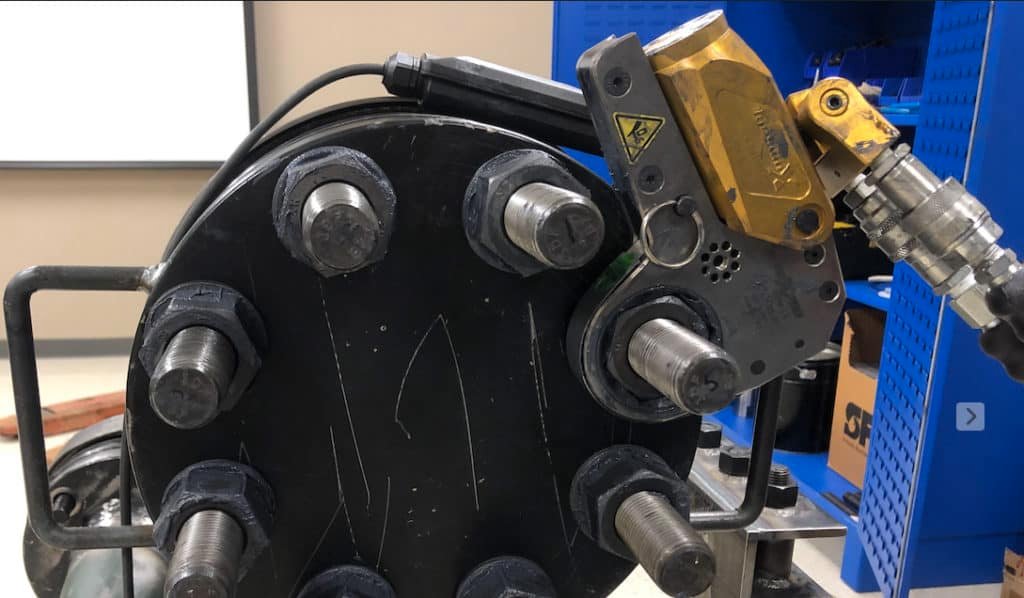
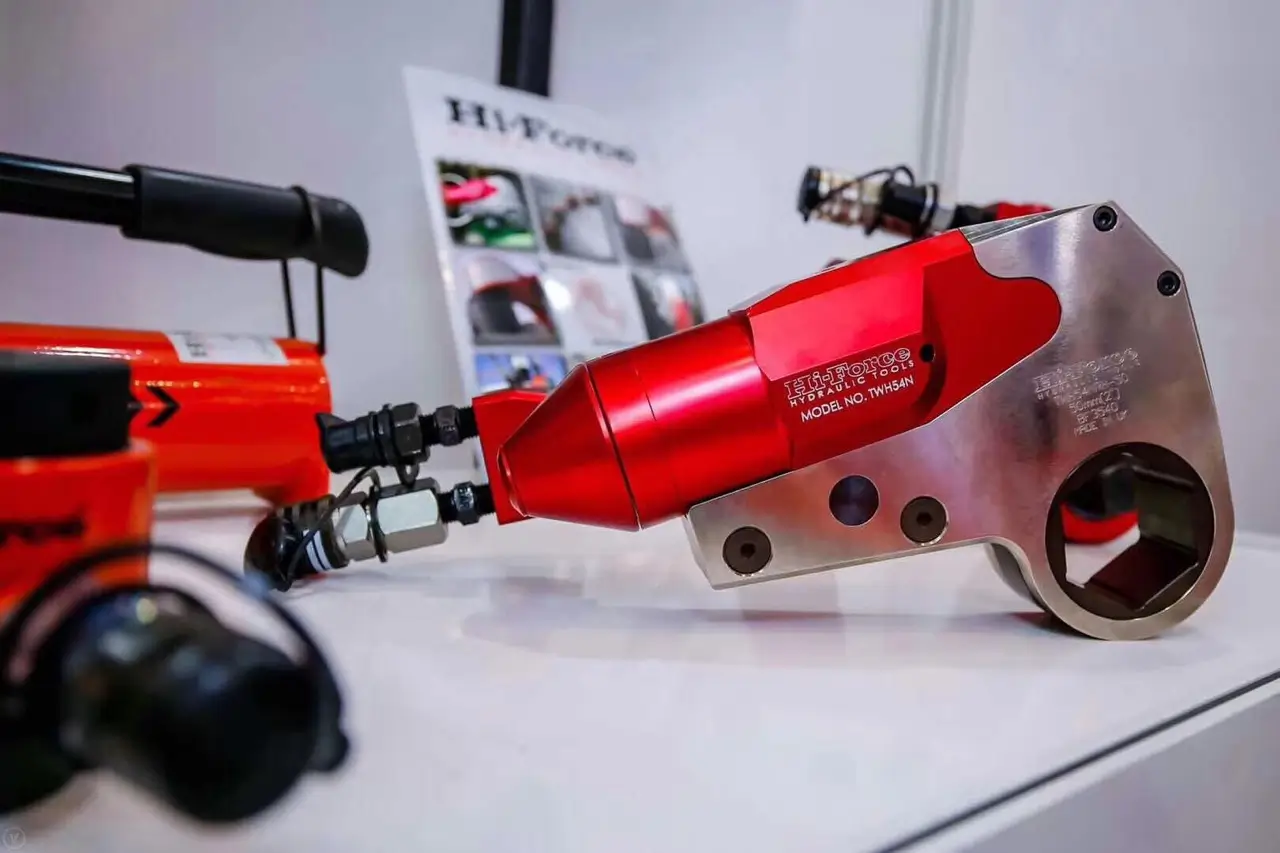
Hydraulic torque wrenches apply up to 150,000 Nm of torque with ±3% accuracy. Manual tools top out around 1,000 Nm before operator strength becomes the limiting factor.
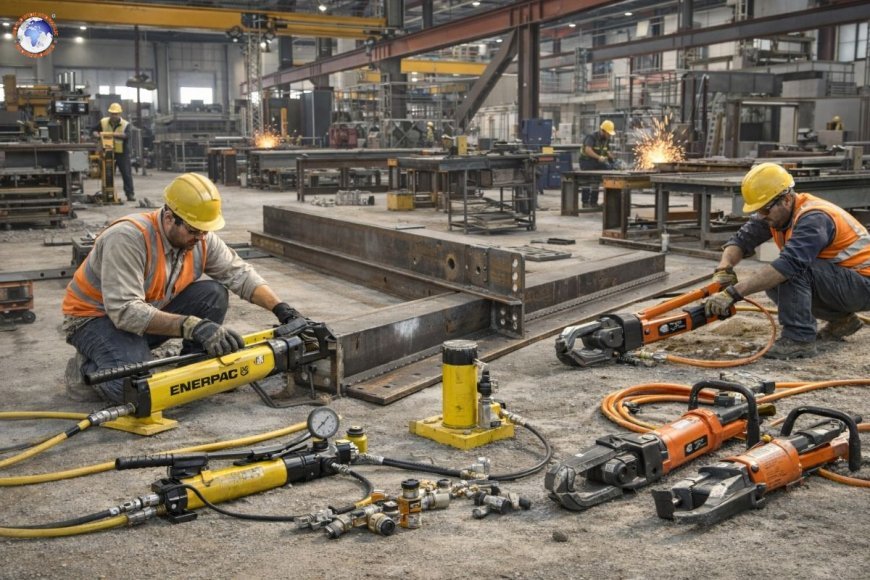
Hydraulic jacks lift 1,000 tons using equipment small enough for one person to position. The power-to-weight ratio makes complex lifting operations manageable with smaller crews.
Dubai’s Construction Challenges Demand Hydraulic Solutions
Extreme Temperature Performance
Summer in Dubai means ambient temperatures of 45-50°C with surface temperatures exceeding 70°C on exposed steel and concrete. Pneumatic tools lose pressure. Electric motors overheat and shut down. Battery tools drain in hours.
Hydraulic systems using high-temperature fluids maintain consistent performance. The heat that kills other equipment becomes just another operating condition for properly specified hydraulic tools.
Dust and Sand Resistance
Desert sand penetrates everything. It’s not just annoying—it’s abrasive enough to destroy bearings, seals, and precision components in weeks instead of years.
Quality hydraulic tools use sealed systems that keep contaminants out. When sand does penetrate, hydraulic fluid flushes it away rather than grinding it into failure.
High-Duty Cycle Applications
Dubai construction runs 24/7 during cooler months to make up for reduced summer productivity. Your tools need to handle continuous operation without the thermal breakdowns common in electric equipment.
Hydraulic systems dissipate heat through fluid circulation. Properly maintained hydraulic tools run all day, every day, without the cool-down periods that kill productivity.
Power Where Grid Isn’t Available
Early-stage construction often lacks reliable electrical infrastructure. Diesel-powered hydraulic power packs provide consistent, high-capacity power independent of grid connections or generator availability.
Essential Hydraulic Tools for Dubai Construction Projects
1. Hydraulic Breakers and Demolition Hammers
Why You Need Them:
Dubai’s urban density means you’re often building on sites with existing structures. Controlled demolition that doesn’t shake neighboring buildings requires precision that only hydraulic breakers deliver.
Applications in Dubai Construction:
- Breaking concrete foundations and slabs (common when redeveloping older properties)
- Rock excavation in areas with challenging geology
- Road and pavement demolition for infrastructure projects
- Trenching through reinforced concrete
- Selective demolition around existing utilities
Choosing the Right Breaker:
Light-Duty (500-1,000 kg class): Best for breaking concrete slabs up to 300mm thick, interior demolition work, and trenching applications. These mount on 5-10 ton excavators common in urban sites with access restrictions.
Medium-Duty (1,000-2,000 kg class): The workhorses for most Dubai projects. They handle 300-600mm concrete, general demolition, and rock breaking in foundation excavation. They mount on 15-25 ton excavators.
Heavy-Duty (2,000+ kg class): For major infrastructure projects, mass rock excavation, and breaking heavily reinforced structures. Required for deep basement excavations in areas like Downtown Dubai or Dubai Marina where you encounter substantial existing foundations.
Dubai-Specific Considerations:
Dust suppression systems aren’t optional—they’re required by Dubai Municipality regulations. Choose breakers with integrated water injection that reduces dust at the source rather than relying solely on external suppression.
Noise levels matter in dense urban areas. Modern hydraulic breakers with noise reduction deliver 5-10 dB lower noise than older models, which can mean the difference between approved work hours and restrictions that kill your schedule.
2. Hydraulic Torque Wrenches
Why Construction Projects Need Them:
Structural steel connections, tower crane installations, formwork systems, and heavy equipment assembly all depend on properly torqued bolts. Under-torqued connections fail. Over-torqued connections break. Hydraulic torque wrenches eliminate guesswork.
Critical Applications:
Structural Steel Erection: High-rise construction in Dubai uses massive steel frameworks with bolted connections requiring precise torque values from 500 Nm to 50,000 Nm. Manual tools can’t reach these values reliably.
Tower Crane Installation and Maintenance: Tower cranes are mandatory for vertical construction. Their bolted connections demand exact torque specifications for safety certifications. Hydraulic torque wrenches with documented calibration satisfy engineer approval requirements.
Temporary Works and Formwork: Modern formwork systems use high-strength bolted connections. Proper torque ensures safety during concrete pours that can load formwork with hundreds of tons of pressure.
Heavy Equipment Assembly: Cranes, concrete pumps, and specialty equipment require field assembly with torque specifications that manual tools can’t achieve consistently.
Selecting Tools for Construction:
You need versatile torque coverage from 500 Nm (small structural connections) to 30,000 Nm (major structural joints and crane bases). Most Dubai contractors maintain:
- 1,000-5,000 Nm wrench for general connections
- 10,000-20,000 Nm wrench for heavy structural work
- 30,000+ Nm wrench for specialized applications (often rental)
Battery-powered hydraulic torque wrenches are gaining popularity for construction because they eliminate hoses and pumps while delivering enough power for 80% of applications (up to about 5,000 Nm currently).
Documentation Requirements:
Dubai Municipality and consulting engineers require calibration certificates for torque tools used on structural connections. Ensure your tools have current calibration (valid 6-12 months) from ISO 17025 accredited labs.
3. Hydraulic Jacks and Lifting Systems
Applications Across Dubai Projects:
Heavy Lifting and Positioning: Precast concrete elements (common in Dubai construction for speed), structural steel members, mechanical equipment, and prefabricated building modules all require controlled lifting that hydraulic jacks provide.
Bridge and Infrastructure Construction: Dubai’s expanding metro, road network, and pedestrian bridges use hydraulic jacking for launching bridge segments, lifting deck sections, and post-tensioning operations.
Foundation Work: Pile testing, foundation leveling, and underpinning existing structures (frequent in renovation projects) all depend on hydraulic jacks delivering precise, controlled force.
Building Repositioning and Correction: When structures settle unevenly or require alignment correction, hydraulic jacks provide the controlled force needed to lift and reposition massive loads safely.
Types You’ll Actually Use:
Bottle Jacks (10-100 ton capacity): Compact and portable for general lifting, temporary support, and maintenance operations. Every construction site should have multiple capacities available.
Hydraulic Cylinders (up to 1,000+ tons): For major lifting operations, heavy precast installation, and specialized applications. Often used in synchronized systems with multiple cylinders controlled by a single power pack.
Track Jacks and Climbing Systems: Specialized for heavy loads requiring horizontal movement or incremental lifting over long distances.
Safety Requirements in Dubai:
All hydraulic jacking operations require engineer-approved lift plans when loads exceed 20 tons or when working near occupied areas. Your equipment needs current load test certificates that Dubai Municipality inspectors will check.
4. Hydraulic Shears and Cutters
Demolition and Site Preparation:
Concrete Cutting: Hydraulic shears mounted on excavators cut through reinforced concrete faster and quieter than breaking, crucial when working adjacent to occupied buildings.
Rebar and Structural Steel Processing: Processing scrap materials on-site reduces transportation costs and speeds cleanup. Hydraulic shears cut rebar up to 50mm diameter and structural steel sections cleanly.
Selective Demolition: When you need to remove specific building elements while preserving surrounding structure, hydraulic cutters provide the precision that breakers can’t match.
Advantages Over Alternative Methods:
No dust generation (compared to cutting wheels or saws), minimal noise and vibration (essential in occupied areas), no secondary breaking required (cuts are clean, not fractured), and significantly faster than manual cutting methods.
5. Hydraulic Compactors and Plate Compactors
Foundation and Backfill Compaction:
Dubai’s sandy soil requires proper compaction to prevent settlement. Hydraulic plate compactors deliver the force needed to achieve specified density without the weight and complexity of vibratory rollers.
Applications:
- Trench backfill around new utilities
- Foundation preparation in confined spaces
- Compaction around existing structures where heavy equipment can’t access
- Landscaping and final grading
Why Hydraulic Matters:
Hydraulic compactors provide variable frequency and amplitude adjustment, allowing operators to match compaction energy to soil type and depth. This matters when Dubai Municipality inspectors test compaction and reject work that doesn’t meet specifications.
6. Hydraulic Power Packs and Pumps
The Heart of Your Hydraulic Tool System:
Every hydraulic tool needs power. Choosing the right hydraulic power pack determines whether your tools perform at rated capacity or struggle to deliver specified force.
Types for Construction:
Electric Hydraulic Pumps: Best for site-based operations where power is available. Quieter operation, lower fuel costs, suitable for indoor or enclosed areas. Common for structural steel erection and mechanical installations.
Diesel Hydraulic Pumps: Essential for early-stage construction before reliable power is available. More fuel cost but complete independence from grid power. Necessary for foundation work, initial site development, and remote locations.
Gasoline/Petrol Pumps: Lighter and more portable than diesel options. Good for small tools and applications requiring mobility. Less common in Dubai due to fuel cost and storage concerns.
Capacity Planning:
Match pump flow rate (liters per minute) and pressure (bar/psi) to your tools’ requirements. Under-powered pumps reduce tool performance and increase cycle times. Over-powered pumps waste fuel and money.
A typical Dubai construction site maintains at least two power packs:
- High-flow diesel pack (40-60 LPM) for heavy breakers and large tools
- Electric or small diesel pack (10-20 LPM) for torque wrenches and lighter equipment
7. Hydraulic Post-Tensioning Equipment
Why It Matters in Dubai Construction:
Post-tensioned concrete is standard in Dubai for long-span slabs, parking structures, and high-rise floor systems. The technique reduces concrete volume, enables longer spans, and speeds construction.
Essential Equipment:
Monostand Jacks: Single-strand tensioning for small to medium projects. Most common for residential and commercial construction.
Multistrand Jacks: Tension multiple strands simultaneously for faster operation on large projects. Required for major infrastructure and high-rise construction.
Quality Requirements:
Post-tensioning equipment must meet strict calibration and certification requirements. Engineers won’t approve work without documented proof that jacks deliver specified tension forces accurately.
Choosing Hydraulic Tools for Dubai Conditions
Environmental Specifications That Matter
Temperature Rating:
Standard hydraulic tools rate to 40°C operating temperature. Dubai regularly exceeds this. Look for:
- High-temperature hydraulic fluids (rated to 60°C+)
- Heat-resistant seals and hoses
- Thermal protection on electric pumps
- Adequate cooling capacity in power packs
Tools without proper temperature ratings fail frequently during Dubai summers, leaving you scrambling for replacements mid-project.
Dust and Sand Protection:
IP65 or IP66 ingress protection ratings minimum for tools exposed to Dubai construction sites. This means:
- Sealed electrical connections
- Protected hydraulic couplings
- Filtered breather vents
- Easily cleanable external surfaces
Corrosion Resistance:
Coastal projects (common in Dubai) expose equipment to salt air. Look for:
- Corrosion-resistant coatings on hydraulic cylinders
- Stainless steel components where practical
- Protected electrical components
- Regular maintenance schedules that include corrosion inspection
Power and Performance Specifications
Duty Cycle Requirements:
Construction in Dubai often runs extended shifts during cooler months. Your tools need high-duty cycle ratings (60-100%) to handle continuous operation without thermal shutdowns or premature wear.
Tools rated for intermittent use (30-40% duty cycle) overheat and fail when pushed to Dubai construction schedules. The cost savings on cheaper tools disappears with the first breakdown that delays your critical path.
Fuel Efficiency for Diesel Power Packs:
Diesel costs add up quickly when running high-capacity hydraulic power packs. Modern pumps with load-sensing controls reduce fuel consumption by 30-40% compared to fixed-displacement pumps.
On a major project running two diesel hydraulic packs 10 hours daily, fuel savings of 40-60 liters per day justify premium equipment costs within months.
Serviceability and Parts Availability
Local Service and Support:
International brands are worthless if parts take weeks to arrive from Europe or America. Before committing to any hydraulic tool, verify:
- Local authorized service centers in Dubai/UAE
- Parts inventory maintained in region
- Typical delivery time for common wear items
- Technical support availability during your working hours
Common Platform Benefits:
Standardizing on compatible hydraulic systems reduces spare parts inventory and training requirements. When multiple tools use the same couplings, hoses, and operating pressures, your maintenance efficiency improves dramatically.
Maintenance Practices for Dubai Construction Sites
Daily and Weekly Procedures
Daily Checks (5 minutes per tool):
Visual inspection for hydraulic leaks, check fluid levels, inspect hoses for damage or wear, test operation before starting work, and clean external surfaces to prevent sand buildup.
These simple checks catch 80% of problems before they cause equipment failures and project delays.
Weekly Maintenance:
Detailed inspection of all hydraulic connections, check and clean breather filters, lubricate moving parts per manufacturer specifications, inspect wear items (breaker tips, cutter blades), test safety features and pressure relief valves, and document any concerns for follow-up.
Hydraulic Fluid Management
The Critical Factor:
Hydraulic fluid is your system’s lifeblood. Contaminated or degraded fluid causes 70-80% of hydraulic equipment failures.
Dubai-Specific Concerns:
Sand contamination from air (use quality breathers with filters), thermal degradation from high temperatures (change fluid more frequently than moderate climates), and water contamination during cooler months when condensation forms in tanks.
Best Practices:
Use high-quality hydraulic fluids rated for high-temperature operation, change fluid every 1,000 hours or 6 months (whichever comes first) in Dubai conditions, install high-quality filtration (10-micron or finer), test fluid condition quarterly on heavily-used equipment, and maintain clean fluid transfer procedures to prevent contamination during fills.
Storage and Protection
Between Uses:
Store tools in shaded, clean areas (prolonged sun exposure degrades hoses and seals), drain water from air-cooled power packs (sand and dust settle when mixed with condensation), protect exposed hydraulic cylinders (extend and retract to distribute oil film), and secure tools to prevent theft (unfortunately common on construction sites).
Extended Storage:
For tools stored more than 30 days, operate monthly to circulate fluids and prevent seal degradation, fill hydraulic tanks to prevent condensation, protect exposed metal with rust preventive, and store in climate-controlled conditions if possible.
Rental vs Purchase Economics
When Renting Makes Sense
Short-Duration Projects:
Projects under 6 months often favor rental, especially for specialized equipment you won’t use regularly.
Variable Capacity Requirements:
When you need heavy equipment for specific project phases (foundation work, demolition, heavy lifting), rent during those periods rather than owning equipment that sits idle most of the time.
Trial Before Purchase:
Testing equipment on rental before committing to purchase reduces the risk of buying wrong tools for your applications.
Typical Dubai Rental Costs:
- Hydraulic breakers: AED 3,000-8,000/month depending on size
- Hydraulic torque wrenches: AED 2,000-6,000/month
- Hydraulic jacks: AED 1,500-4,000/month
- Power packs: AED 2,500-7,000/month
Purchase Justification
Break-Even Analysis:
Compare rental costs for your expected usage period against purchase price plus maintenance costs. Most hydraulic tools reach break-even at 12-18 months of continuous use.
Ownership Advantages:
Equipment availability when you need it (no rental availability delays), customization for your specific applications, no rental return scheduling, build company asset value, and long-term cost savings on frequently-used equipment.
Financing Options:
Equipment financing through UAE banks typically offers 2-5 year terms at competitive rates (currently 4-7% annually). Monthly payments often compare favorably to rental costs while building owned assets.
Pluz Group’s Construction Hydraulic Solutions
Equipment Selection for Your Projects
We understand Dubai construction demands because we’ve supported projects from Marina towers to infrastructure developments across UAE. Our hydraulic tool solutions are specifically selected for reliability in local conditions.
Comprehensive Product Range:
Hydraulic Breakers: Light to heavy-duty (500-3,000 kg class) suitable for demolition, excavation, and rock breaking across all construction phases.
Torque Tools: Battery and hydraulic-powered wrenches from 500 Nm to 50,000 Nm covering structural connections, equipment installation, and specialty applications.
Lifting Systems: Hydraulic jacks and cylinders from 10 to 500+ ton capacity for heavy lifting, positioning, and specialized applications.
Demolition Tools: Hydraulic shears, cutters, and specialty attachments for controlled demolition and material processing.
Power Solutions: Electric and diesel hydraulic power packs sized for tools from compact breakers to heavy-duty multi-tool operations.
Services That Keep Projects Moving
Rental Fleet Advantages:
Fully maintained equipment ready for immediate deployment, flexible terms from daily to long-term project duration, equipment swaps if performance issues arise, technical support included with rental, and delivery to your site across Dubai and UAE.
Technical Support:
Application engineering to select right tools for specific tasks, on-site training for operators and maintenance crews, troubleshooting support when issues arise, and procedure development for specialized applications.
Maintenance and Calibration:
Preventive maintenance programs, calibration services with ISO 17025 traceability, repair services and parts support, and mobile service capability for on-site support.
Why Construction Companies Choose Pluz Group:
Dubai-Based Responsiveness: We’re here in Dubai with inventory, parts, and service. When you need equipment or support, we respond in hours, not days.
Construction Experience: Our team has supported construction projects from foundations to final fit-out. We understand your applications and deadlines.
Quality Without Premium Pricing: We provide professional-grade hydraulic tools at 15-25% below international premium brands without compromising performance or reliability.
Complete Solutions: From initial equipment selection through training, maintenance, and technical support—we provide everything you need for successful hydraulic tool operations.
Making Your Equipment Decisions
Choosing hydraulic tools for Dubai construction isn’t about buying the most expensive brands or finding the cheapest options. It’s about selecting equipment that delivers reliable performance in local conditions while meeting your project’s specific requirements and budget.
Ask yourself:
- Does this equipment handle Dubai’s temperature extremes?
- Can I get parts and service locally when issues arise?
- Will this tool’s capacity handle my most demanding applications?
- Does the rental vs purchase economics make sense for my usage?
- What happens when this tool fails during critical operations?
If you can’t answer these questions confidently, you’re not ready to commit.
Ready to Equip Your Dubai Construction Project?
Contact Pluz Group today for:
Free consultation on your hydraulic tool requirements, equipment demonstrations at your site, competitive rental and purchase quotations, technical support and operator training, maintenance programs and calibration services, and emergency equipment availability.
Our Dubai team is ready to support your construction success with hydraulic tools and expertise that deliver results when deadlines and reputations are on the line.
Call us now or visit our facility to discuss your specific project requirements. Let’s ensure you have the right hydraulic tools performing reliably when everything depends on them.