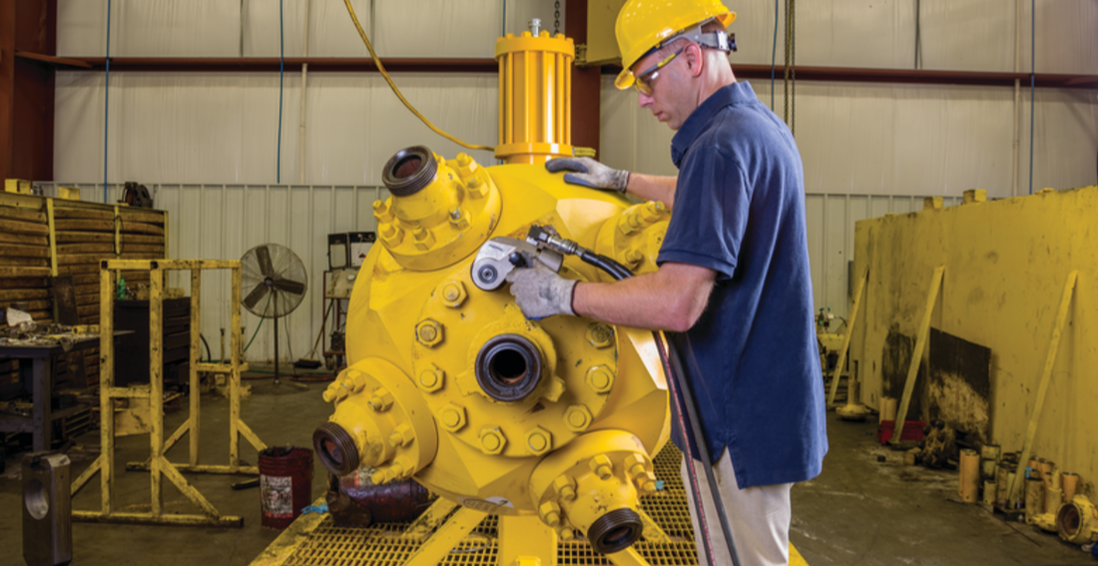
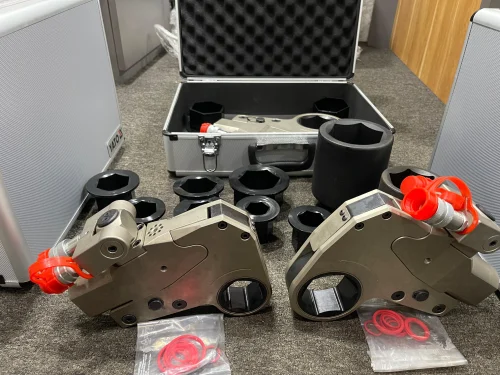
In a heavy-duty workshop, efficiency and safety are not optional — they are the foundation of every successful job. Whether you are overhauling a diesel truck engine, rebuilding a marine powerplant, or servicing heavy construction machinery, the tools you use define the quality of your work and the safety of your team.
One tool that has quietly become indispensable in professional workshops around the world is the Rotating Engine Stand. Compact yet powerful, this piece of equipment holds engines securely while allowing technicians to rotate and position them at any angle — making previously awkward or dangerous tasks straightforward and precise.
In this blog, we explore the top 5 uses of a rotating engine stand in heavy-duty workshops, and explain why investing in the right one — like those engineered by Pluz Group — can transform the way your team works.
What Is a Rotating Engine Stand?
A rotating engine stand is a workshop tool designed to hold an engine block securely off the ground, allowing technicians to rotate it 360 degrees on a central axis. Unlike a basic fixed stand, a rotating model lets you flip the engine upside down, tilt it sideways, or hold it at any custom angle — all while it remains stable and fully accessible.
Pluz Group’s Rotating Engine Stand is built from heavy-duty steel with a robust locking mechanism, engineered to handle large automotive, industrial, and marine engines safely and efficiently. It is a staple tool in professional garages, fleet maintenance centers, engine rebuilding shops, and heavy equipment service facilities.
💡 Pro Tip: Always match your engine stand’s rated capacity to the engine weight. Pluz Group stands are rated for heavy-duty loads with a built-in safety margin for professional workshop use.
Use #1: Complete Engine Rebuilds & Overhauls
The most fundamental and high-value use of a rotating engine stand is full engine rebuilding. When a workshop undertakes a complete overhaul — replacing pistons, crankshafts, camshafts, bearings, gaskets, and more — technicians need unrestricted access to every part of the engine block.
Why rotation matters in rebuilds:
- The oil pan, crankshaft, and lower block components are only accessible when the engine is flipped upside down.
- Cylinder heads require the engine to be horizontal or slightly tilted for clean removal.
- Precise torque application on fasteners requires a stable, controlled position.
- A rotating stand eliminates the need to constantly reposition the engine manually — saving hours of labor time per job.
Without a rotating stand, technicians are forced to wrestle with an engine block on the floor or a flat workbench — a process that is not only exhausting and time-consuming but genuinely dangerous. A heavy diesel engine block can weigh anywhere from 200 to over 700 kilograms. Manually repositioning that mass creates real injury risk.
With a Pluz Group Rotating Engine Stand, one technician can smoothly rotate the entire engine with minimal effort, lock it in position, and work hands-free with full control. This directly translates to faster rebuild times, fewer errors, and significantly lower labor costs per job.
📊 Workshop Insight: Shops using rotating engine stands report up to 35% reduction in time spent on engine overhauls compared to traditional floor-based rebuilding methods.
Use #2: Cylinder Head Removal & Installation
Cylinder head work is one of the most common heavy-duty engine jobs — and one of the most sensitive. Whether it is a head gasket failure, a warped head, a cracked valve seat, or a full head rebuild, the process demands precision access and a stable working platform.
A rotating engine stand allows the technician to tilt the engine to an ideal angle for head removal and reinstallation — ensuring bolts are torqued evenly, gaskets seat properly, and alignment is spot-on. This is particularly critical for in-line 6-cylinder and V8 engines where multiple head bolts must be tightened in a strict, precise sequence.
Key advantages for cylinder head work:
- Tilt the block to drain coolant and oil naturally without spills spreading across the workshop floor.
- Maintain consistent torque angles across all head bolt positions from start to finish.
- Reduce strain on the technician’s back, arms, and neck during long installation sequences.
- Quickly reposition the engine after head work to continue lower block inspection without lifting or moving the block manually.
For workshops handling fleet vehicles, agricultural equipment, or industrial generators — where cylinder head jobs are routine — a quality rotating engine stand is not a luxury. It is an operational necessity.
Use #3: Crankshaft & Bottom-End Inspection
The bottom end of an engine — the crankshaft, main bearings, connecting rods, and oil pump — is the heart of the entire powertrain. Inspecting and servicing these components requires the engine to be rotated completely upside down, with the oil pan removed and the crankshaft fully exposed.
This is where a rotating engine stand becomes absolutely essential. Flipping a 400-kilogram engine block onto a workbench is not feasible. Attempting it on the floor is hazardous and produces dangerously poor working conditions. A rotating stand is the only professional solution for this work.
Bottom-end tasks made safe and efficient:
- Crankshaft removal and measurement for wear, scoring, or out-of-round conditions.
- Main bearing and journal inspection — critical for engines being returned to high-load service.
- Connecting rod and big-end bearing replacement without ever removing the engine from the stand.
- Oil pump removal, inspection, and reinstallation in a controlled inverted position.
- Thorough cleaning of the lower block, removing sludge, metal particles, and old gasket residue.
Pluz Group’s engine stand locking mechanism ensures the engine stays locked in the inverted position with zero movement — critical when technicians are applying torque to crankshaft caps or checking bearing clearances with plastigauge. Stability at this stage directly determines engine longevity after the rebuild is complete.
🔧 Pluz Group Advantage: Our Rotating Engine Stand features a multi-position locking pin system that secures the engine at any rotation angle — giving technicians complete confidence and control during the most critical bottom-end work.
Use #4: Engine Cleaning & Surface Preparation
Before any serious rebuild work begins, the engine block must be thoroughly cleaned. Old gasket material, carbon deposits, oil sludge, rust, and paint must be removed from all mating surfaces, oil galleries, and threaded holes. This cleaning process is far more effective — and far less messy — when the engine is mounted on a rotating stand.
Being able to rotate the engine to any angle gives the technician direct line-of-sight and tool access to every external and internal surface. The workshop floor stays cleaner, solvent and degreaser runoff can be controlled, and the overall process is faster from start to finish.
Surface preparation tasks performed on the stand:
- Gasket surface scraping and sanding on deck surfaces, oil pan rails, and timing cover faces.
- Pressure washing or steam cleaning of all external block surfaces.
- Tapping and chasing all threaded bolt holes to remove rust, debris, and thread damage before reassembly.
- Applying fresh primer and engine enamel paint before final assembly begins.
- Inspecting all core plug bores and replacing freeze plugs in a controlled, accessible position.
Performing engine prep work on a rotating stand also dramatically reduces the risk of contamination. Loose debris, cleaning solvents, and metal particles fall away from the engine rather than into galleries and oil passages when the block is properly oriented. This attention to cleanliness during preparation has a direct and measurable impact on the longevity of the finished rebuild.
Use #5: Training, Demonstration & Technical Education
This application is often overlooked, but it is one of the most valuable uses of a rotating engine stand in a modern workshop environment — particularly in training centers, technical institutes, and apprenticeship programs.
A rotating engine stand transforms a bare engine block into a powerful, hands-on learning tool. Instructors can rotate the engine to demonstrate component positions, assembly sequences, and failure modes from multiple angles — giving students a clear, three-dimensional understanding of how an engine works that no textbook or video can fully replicate.
Educational and demonstration applications:
- Show apprentice technicians the relationship between pistons, connecting rods, and the crankshaft in real time and from every angle.
- Demonstrate proper torque sequences for cylinder head bolts, main caps, and rod bolts on an actual engine.
- Exhibit common failure modes — spun bearings, cracked blocks, scored cylinder bores — on real components.
- Allow trainee technicians to practice disassembly and reassembly under supervision without time pressure.
- Conduct manufacturer and warranty training sessions for fleet maintenance teams efficiently.
For dealerships and large fleet operators investing in internal technical training, a rotating engine stand is a key piece of infrastructure. It bridges the gap between theoretical knowledge and practical hands-on skill — producing better, faster, and more confident technicians as a direct result.
Bonus: What to Look for in a Quality Rotating Engine Stand
Not all engine stands are created equal. When investing in a rotating engine stand for a professional workshop, here are the critical factors to evaluate:
- Load Capacity: Ensure the stand is rated for the heaviest engines your workshop services. Always select a stand with a higher rating than your maximum expected load.
- Build Quality: Look for heavy-gauge steel construction with robust welds, not thin-walled tubing that flexes under load.
- Locking Mechanism: A positive-locking pin or ratchet system is essential. The engine must stay exactly where you position it.
- Caster Wheels: Heavy-duty lockable casters allow you to move the engine freely around the workshop and lock it in place for safe working.
- Mounting Adaptability: Universal mounting arms that accommodate a range of engine configurations give your workshop maximum versatility.
- Finish & Corrosion Resistance: A quality powder-coat or enamel finish protects the stand from oil, solvents, and workshop moisture over years of use.
Pluz Group’s Rotating Engine Stand is engineered to meet every one of these requirements — built for workshops that take quality seriously and cannot afford equipment failures or safety incidents.
The Rotating Engine Stand is one of the most productive investments a heavy-duty workshop can make. From complete engine rebuilds and crankshaft overhauls to surface preparation and technical training, this single piece of equipment multiplies the capability of your team, reduces labor time, and improves the safety of your workplace every single day.
When you invest in a Pluz Group Rotating Engine Stand, you are not just buying a piece of steel — you are investing in the professionalism, efficiency, and safety of every engine job your workshop takes on.
Ready to upgrade your workshop? Explore Pluz Group’s full range of industrial hydraulic tools and workshop equipment at www.pluz-group.com — built for professionals, by professionals.
© 2025 Pluz Group. All rights reserved. | Industrial Tools & Workshop Equipment