Key Benefits:
- High demand in the construction & logistics sectors
- Recurring business (maintenance contracts)
- High profit margins
- B2B client opportunities
Step 1: Market Research & Business Plan
Before starting, understand your target market.
Analyze:
- Local demand (construction companies, transport firms)
- Competitors in your area
- Types of equipment commonly used
- Pricing models
Business Plan Should Include:
- Investment budget
- Target services
- Revenue projections
- Marketing strategy
Pro Tip: Focus on niche services like hydraulic cylinder repair or engine diagnostics to stand out.
Step 2: Choose the Right Location
Location plays a critical role in your workshop’s success.
Ideal Location Features:
- Near industrial zones or highways
- Easy access for heavy vehicles
- Large open space for machinery handling
- Availability of electricity & water
Step 3: Essential Tools & Equipment
To run a professional workshop, you need the right tools.
Basic Equipment:
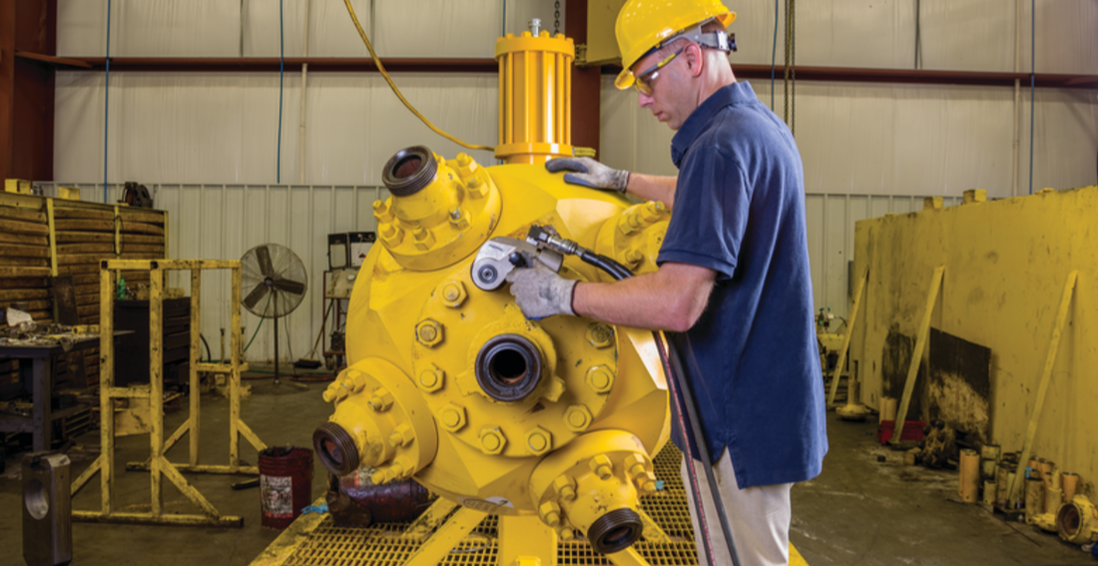
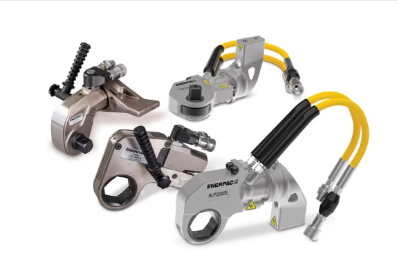
- Hydraulic jacks and lifts
- Welding machines
- Air compressors
- Diagnostic tools
- Power tools (grinders, drills)
Advanced Equipment:
- CNC machines
- Hydraulic testing benches
- Engine analyzers
Step 4: Hire Skilled Technicians
Your team is your biggest asset.
Required Staff:
- Mechanical engineers
- Hydraulic specialists
- Welders
- Electricians
Hire experienced professionals to ensure quality service and customer trust.
Step 5: Licenses & Legal Requirements
Make your business legally compliant.
Required Registrations:
- Business registration
- GST registration
- Pollution control clearance
- Shop & establishment license
Step 6: Marketing & Client Acquisition
Getting clients is key to growth.
Effective Strategies:
- Create a professional website
- Use SEO (target keywords like heavy equipment repair near me)
- Register on Google Business Profile
- Run Google Ads
- Network with contractors & companies
Build long-term contracts with businesses for consistent income.
Step 7: Offer High-Demand Services
Focus on services that bring maximum revenue.
Popular Services:
- Hydraulic cylinder repair
- Engine overhaul
- Preventive maintenance
- Electrical system repair
- Spare parts replacement
Step 8: Safety & Workshop Management
Safety is crucial in heavy equipment repair.
Safety Measures:
- Provide PPE kits
- Regular safety training
- Fire safety systems
- Proper ventilation
Step 9: Scale Your Business
Once stable, expand your services.
Growth Ideas:
- Open multiple branches
- Offer on-site repair services
- Sell spare parts
- Partner with OEM companies
Step 10:Common Mistakes to Avoid
- Ignoring skilled labor
- Choosing the wrong location
- Poor quality tools
- Lack of marketing
- No customer follow-up
Frequently Asked Questions (FAQs)
To start a heavy equipment repair workshop, you need a suitable location, essential tools (like hydraulic jacks and welding machines), skilled technicians, business registration, and initial investment. Proper planning and market research are also crucial for success.
The cost typically ranges between ₹20 lakhs to ₹80 lakhs, depending on location, equipment, and scale of operations. A small workshop may require less investment, while a full-scale industrial setup costs more.
Yes, it is a highly profitable business due to constant demand from the construction, mining, and logistics industries. Regular maintenance contracts and high service charges ensure steady income.
A successful workshop should offer:
Hydraulic cylinder repair
Engine diagnostics and overhaul
Electrical system repair
Preventive maintenance
Spare parts replacement
Yes, you need basic licenses such as:
Business registration
GST registration
Shop & establishment license
Pollution control clearance (if required)
You can get clients through:
Google Business Profile
SEO and website marketing
Networking with contractors
Paid ads (Google Ads)
Referrals and B2B partnerships
Key skills include:
Mechanical knowledge
Hydraulic system expertise
Electrical troubleshooting
Welding and fabrication
Diagnostic skills
The best location is near:
Industrial areas
Construction zones
Highways or transport hubs
This ensures easy access for heavy vehicles and better business opportunities.
Conclusion
Setting up a heavy equipment repair workshop is a smart and scalable business opportunity. With the right planning, tools, skilled team, and marketing strategy, you can build a profitable and long-term business.
Start small, focus on quality service, and gradually expand your operations.